How to Start Crypto Trading in Nigeria – A Complete Beginner’s Guide
How to Start Crypto Trading in Nigeria – A Complete Beginner’s Guide
Crypto trading in Nigeria is experiencing rapid growth. With one of the highest crypto adoption rates in the world, Nigeria has become a major player in the global digital asset market. From everyday traders looking for profit opportunities to individuals seeking financial security against inflation, crypto has become a lifeline for many Nigerians.
Why is Crypto Trading Growing in Nigeria?
Several economic and technological factors have contributed to the boom in Nigeria’s cryptocurrency trading scene:
- High Inflation & Currency Devaluation: The Nigerian Naira has seen significant devaluation over the years, prompting many to store their wealth in digital assets like Bitcoin (BTC) and USDT (Tether) to preserve value.
- Young, Tech-Savvy Population: Nigeria has one of the youngest populations globally, with high smartphone and internet penetration, making digital financial services more accessible.
- Limited Access to Foreign Exchange: Due to forex restrictions, many Nigerians turn to crypto as an alternative means of transacting internationally.
- Increased Remittance Needs: With high remittance inflows from abroad, crypto provides a cheaper and faster way to receive payments compared to traditional banking methods.
Is Crypto Trading Legal in Nigeria?
Yes! While the Central Bank of Nigeria (CBN) has imposed restrictions on banks facilitating crypto transactions, trading itself is not illegal. Many Nigerians use peer-to-peer (P2P) trading platforms, decentralized exchanges, and crypto wallets to buy and sell digital assets without involving traditional banks.
What is Cryptocurrency Trading?
Cryptocurrency trading involves buying, selling, and exchanging digital assets to make a profit. It operates similarly to forex trading but with a decentralized and more volatile market. There are two primary approaches to crypto trading:
- Investing (HODLing): This is a long-term strategy where traders buy cryptocurrencies and hold them for an extended period, hoping their value will appreciate over time.
- Trading (Short-Term Strategies): Unlike long-term investing, traders engage in frequent buying and selling to profit from price fluctuations. This can involve day trading, swing trading, or scalping.
🔍 Best way to start trading crypto: If you're a beginner, starting with small amounts, using demo accounts, and learning technical analysis can help you develop a profitable strategy.
How Crypto Trading Works in Nigeria
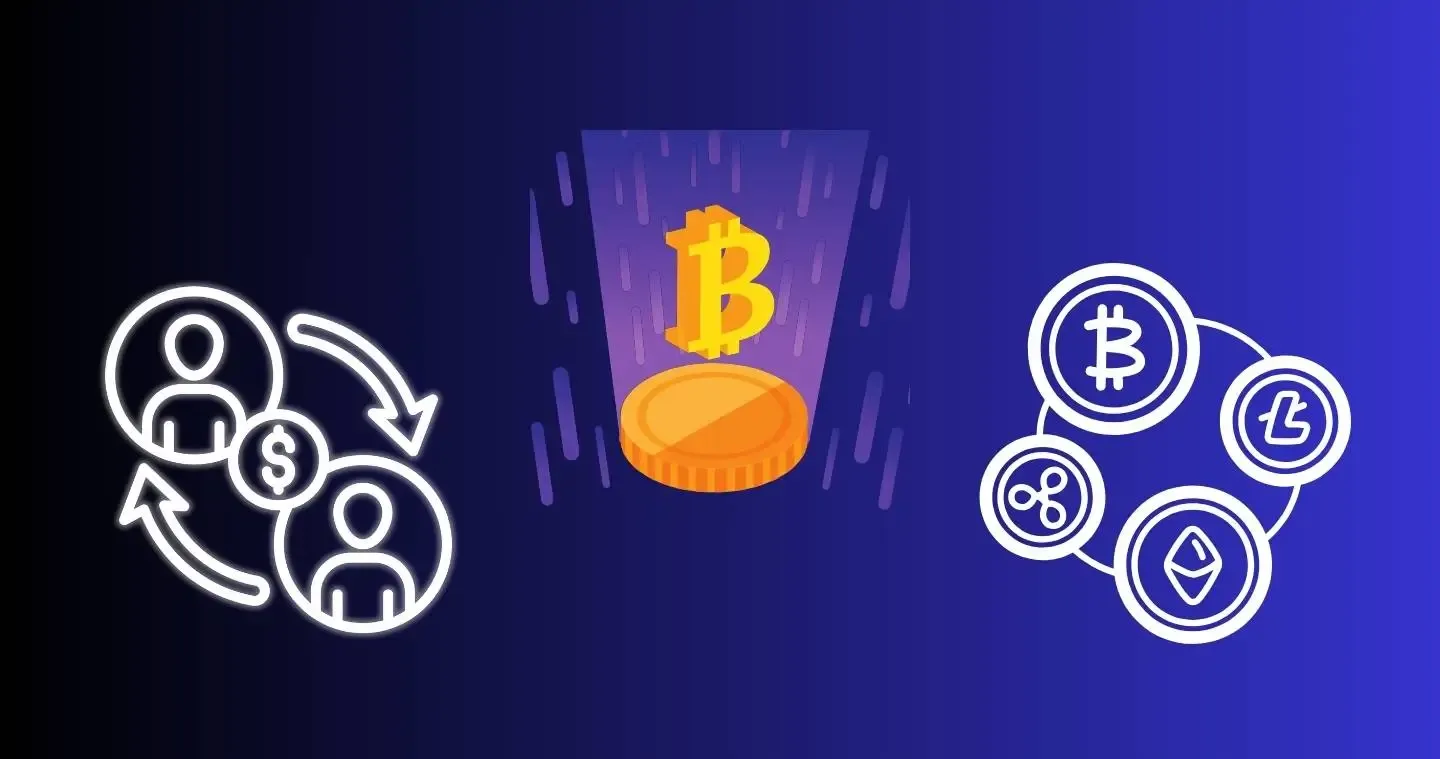
In Nigeria, traders use two main methods to trade crypto:
Centralized Crypto Exchanges (CEX)
Examples: QuickChain, Luno, Quidax
Work like stock exchanges with built-in liquidity for easy transactions.
Offer features like stop-loss, limit orders, and leveraged trading.
Peer-to-Peer (P2P) Trading
Examples: Binance P2P, Paxful, Remitano
Connects buyers and sellers directly without a third party.
Uses escrow services for secure transactions but requires manual buyer/seller verification.
Preferred due to bank restrictions on direct crypto purchases.
Order Types Explained
Understanding different order types helps traders make better decisions:
- Market Order: Executes instantly at the best available price.
- Limit Order: Executes only when the price reaches a preset level.
- Stop-Loss Order: Automatically sells crypto when the price drops to limit losses.
Step-by-Step Guide to Start Crypto Trading in Nigeria
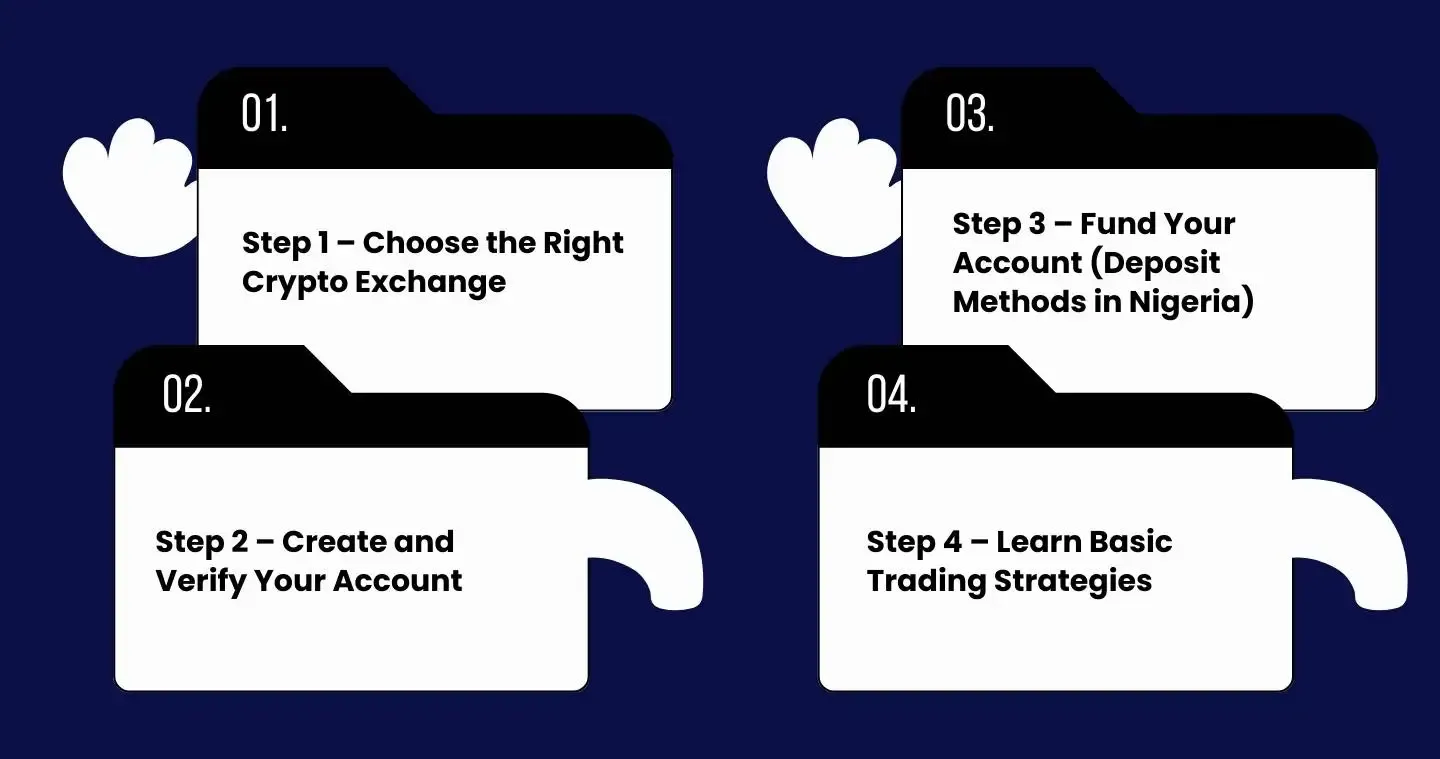
Step 1 – Choose the Right Crypto Exchange
Choosing the
best crypto exchangeis key to successful trading. A good platform should offer strong security, low fees, and fast NGN transactions. Here are three top options:
- QuickChain: A reliable exchange offering instant NGN withdrawals, competitive rates, and a seamless trading experience. Currently, deposits are not supported.
- Binance: Offers P2P trading but doesn’t support direct NGN withdrawals.
- Luno: Beginner-friendly with NGN support, but higher fees compared to QuickChain.
When picking an exchange, always check for security features, transaction speed, and NGN deposit/withdrawal options to avoid unnecessary hassles.
Step 2 – Create and Verify Your Account
To trade on any exchange, you need to create and verify your account. Follow these steps:
- Sign Up: Visit the exchange’s website and register with your email or phone number.
- Complete KYC Verification: Upload your ID, take a selfie, and verify your identity.
Secure Your Account:
- Enable Two-Factor Authentication (2FA) for extra security.
- Use strong passwords and avoid clicking on suspicious links to prevent phishing attacks.
Step 3 – Fund Your Account (Deposit Methods in Nigeria)
Once verified, you need to deposit funds to start trading.
Here’s how:
- Bank Transfers: Some exchanges support direct NGN deposits via local banks.
- P2P Trading: If bank deposits are restricted, P2P allows you to buy crypto using bank transfers.
- USDT Deposits: Many traders use USDT (Tether) to avoid market volatility and transfer funds internationally.
Step 4 – Learn Basic Trading Strategies
Understanding trading styles helps you choose the best approach for your goals.
Spot Trading vs. Margin Trading vs. Futures Trading
- Spot Trading: Buying and selling crypto for immediate settlement (best for beginners).
- Margin Trading: Borrowing funds to trade larger amounts—higher risk but higher reward.
- Futures Trading: Speculating on crypto prices without actually owning the asset.
Best Cryptocurrencies to Trade for Beginners
For beginners, trading
established cryptocurrencieswith high liquidity and stability is recommended. Here are some of the best options:
- Bitcoin (BTC): The most widely accepted and stable cryptocurrency, making it ideal for beginners.
- Ethereum (ETH): A leader in smart contracts with a strong ecosystem for decentralized applications.
- USDT (Tether): A stablecoin pegged to the US dollar, best for quick transactions and avoiding volatility.
- BNB, SOL, ADA: Popular altcoins with high liquidity, offering good trading opportunities.
Risk Management – How to Avoid Losing Money in Crypto Trading
Common Trading Mistakes Beginners Make
- Investing Without a Strategy: Jumping into trades without research can lead to losses.
- Ignoring Security Best Practices: Weak passwords, skipping 2FA, and using unsecured wallets put funds at risk.
- Panic Buying and Selling: Emotional trading leads to poor decision-making and financial losses.
How to Protect Your Investment
- Use Stop-Loss Orders: These help limit losses by automatically selling at a set price.
- Diversify Your Crypto Portfolio: Avoid putting all your money into a single asset.
- Secure Your Funds: Use a mix of hot wallets (for active trading) and cold wallets (for long-term storage) for better security.
Legality & Regulations – Is Crypto Trading Legal in Nigeria?
Crypto trading is not illegal in Nigeria, but there are restrictions. The CBN bans banks from processing crypto transactions, leading traders to use P2P exchanges and stablecoins like USDT to bypass these limitations.
Tax Implications: The Nigerian SEC has proposed regulations on digital assets. It’s advisable to keep track of crypto earnings in case taxation laws change.
FAQs – Answering Common Questions About Crypto Trading in Nigeria
Can you make $100 a day with crypto?
Yes, with a solid strategy and market knowledge.
Is crypto trading good for beginners?
Yes, but start with a demo account to learn risk management.
Which crypto is best for quick profit?
Bitcoin (stability), BNB (growth), meme coins (high risk).
Is QuickChain safe to use?
Yes, with secure transactions and compliance measures.
Best time to trade crypto in Nigeria?
Peak trading hours: 6 AM – 2 PM (Nigerian time).
Conclusion
Crypto trading in Nigeria is booming, and choosing the right platform is key to a smooth experience. With QuickChain, you can
sell your crypto instantlyand withdraw Naira directly to your local bank account—no delays, no stress. Whether you're trading Bitcoin, USDT, or Ethereum, QuickChain offers the best rates, secure transactions, and 24/7 support. Start trading today and enjoy a fast, reliable, and hassle-free crypto-selling experience!

David Doe