The Future of Crypto Regulations in Nigeria
The Future of Crypto Regulations in Nigeria
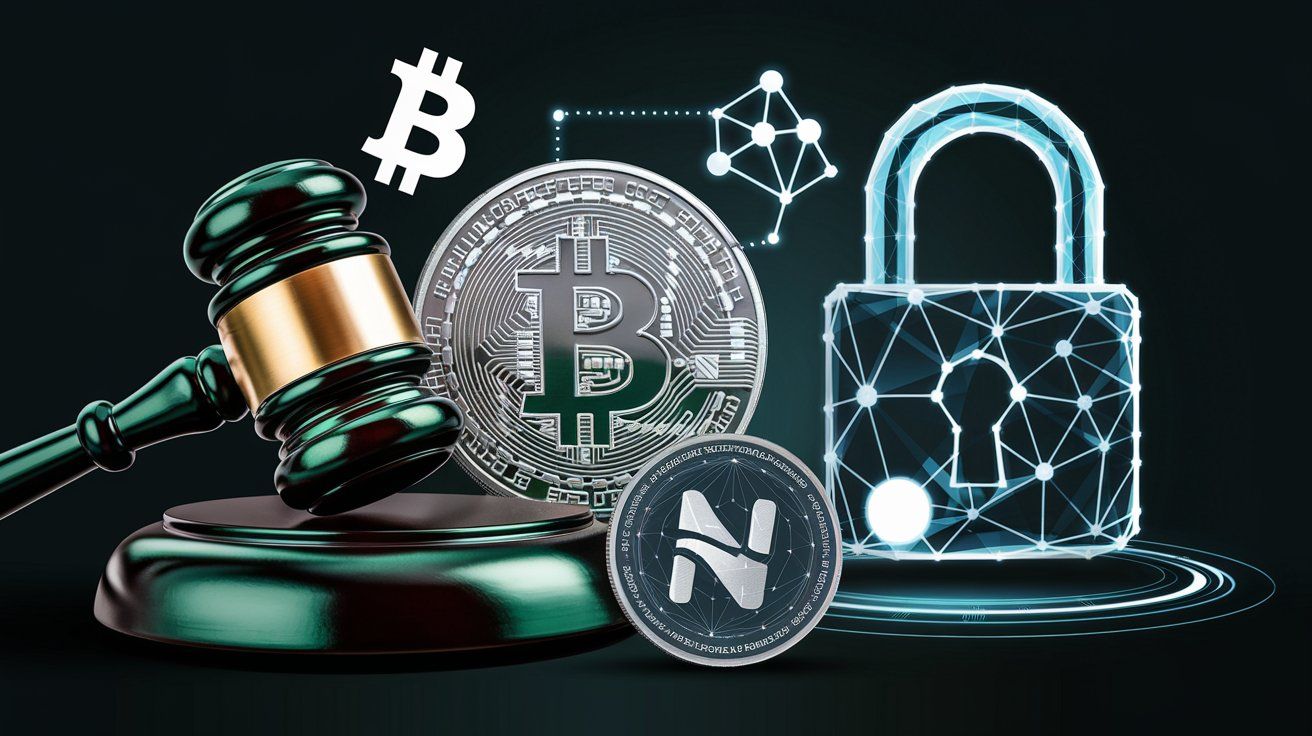
Cryptocurrency adoption is rising in Nigeria, and so is the need for regulations tailored to spawning industry challenges. Nigeria’s cryptocurrency infrastructure is emerging at the same time as cryptocurrency adoption intensifies internationally. Most aspects of the cryptocurrency industry remain nascent. However, digital currency trading has a high juxtaposition with the economic practices of the nation.
Crypto trading in Nigeriais seeing integration of blockchain technology into their financial infrastructure, which is signified by the increasing adoption rates of cryptocurrency use in the country.
Ethical business practices take into account pertinent strategies applicable to crypto policies. Considering the unique opportunities the changes present, one needs to approach them with nitty-gritty level planning that will ensure onboard compliance with the law.
1. Direction emerging policies are taking on crypto
There are several functions operated in crypto that may fall through legal loopholes in Nigeria. Obstructions existed around doing trading business in Nigeria previously but with allowance for crypto services liberalization is forecasted.
This will result in growth with professional services in the banking industry. Along with that, opportunities for entrepreneurship and self-employment arise from gaps in service forex changes for under-indulged traders. Marketing restrictions on crypto harness growth potential on different instruments needed to lower barriers to entry for innovation and competition.
Setting up legal structures will stimulate economic activity while easing up on guideless ness regulations gives institutions in the sector the freedom they need to innovate which brings growth poised for development in the lively economy of the nation.
2. The SEC’s Role in Regulating Crypto
The Securities and Exchange Commission (SEC) of Nigeria is now moving to control the crypto sector. Some digital assets have already been identified as securities, meaning they will come under the purview of investment regulation.
This may result in:
- Exchanges dealing in cryptocurrency need to obtain licenses.
- Increased KYC verification for users.
- Segmentation of cryptocurrencies based on their appeal and utility.
For traders and investors, being aware of these changes is very crucial. The use of a
cryptocurrency app
that adheres to the regulations will guarantee that transactions are completed seamlessly without the danger of account blockage.
3. Crypto Taxation: What to Expect
The Nigerian government is also contemplating taxing cryptocurrency transactions, following the trend adopted by several countries that have instituted taxation on cryptocurrency.
This may involve:
- Tax on capital gains from the sale of cryptocurrency.
- Value Added Tax (VAT) on services provided in relation to cryptocurrency.
- Compulsory declaration of large transactions to the tax authorities.
Traders are advised to obtain proper tax documentation, document their transactions, and utilize services that facilitate transaction reporting.
4. Improved Fraud Control and Prevention Tactics
With new policies in place comes tempered security for the cryptocurrencies classified under use within trading platforms. Nigeria has experienced its fair share of crypto scams and fraudulent platforms, making security a primary issue to deal with.
Proposed policies may include but are not limited to:
- More advanced verification of identities for users.
- Greater secrecy in the revealing of transactions.
- Fraud prevention tools on exchanges.
Users with a
trading app for crypto
will welcome additional security measures such as two-factor authentication (2FA) and biometric logins. Such measures will curtail unauthorized access to user accounts and fraudulent activities.
5. Peer-to-Peer (P2P) Crypto Trading Perspectives
P2P trading evolves to become the go-to method for crypto trade buy and sell in Nigeria especially when banks halted the processing of crypto transactions.
Under these new regulations, however, we may see:
- Greater control over P2P platforms.
- Capping of transaction limits.
- Heightened scrutiny of the identities of buyers and sellers.
Although the government's main aim of these adjustments is the introduction of regulated exchange based transactions to enhance security and transparency, this will allow them to control the operations of these platforms more efficiently everywhere.
For individuals seeking
how to sell my cryptocurrency for cash
, using a trusted compliant platform is becoming more vital than ever.
6. Central Bank Digital Currency (CBDC) Versus Cryptocurrency
The eNaira, the first cryptocurrency CBDC in Nigeria, has been launched in the country. In contrast to Bitcoin or other decentralized cryptocurrencies, eNaira is issued and regulated by the state.
The increased acceptance of eNaira may result in:
- Digital currencies and traditional cryptocurrencies are facing off.
- Obstruction to the use of private digital currencies.
- Heightened government-sponsored digital transactions.
Considering that the Naira does not come close to replacing Bitcoin or Ethereum, its mere existence within the economy can steer crypto frameworks influencing the market towards future policy adaptations.
7. Best digital currency exchange in Nigeria
As restrictions increase, finding digital currency exchange becomes critical for traders more than before. The ideal platform should include:
- Adherence to the regulatory framework of Nigeria.
- High level of security regarding the safety of funds.
- Effective and timely handling of transactions.
- Available support to give assistance.
Participating in a regulated exchange promotes seamless trading without encountering abrupt account-disabling risks or compliance concerns.
8. Current Activity for Crypto Traders
The evolving shifts in policies require attention from crypto traders and investors worldwide in consideration of the numerous changes happening. Following these recommendations is crucial:
- Stay followed up to date with changes from authorities regarding crypto policy.
- In maintaining records for compliance purposes, use secure and licensed services for trading and document transactions in anticipation of any potential tax requirements that may arise.
- Stay away from unverified services that pose potential regulatory compliance issues.
While some consider the regulatory policies as restrictive, they have the potential to provide credibility and further grow the cryptocurrency market in Nigeria.
Final Thoughts: What’s Next for Crypto in Nigeria?
There is an emerging narrative in Nigeria – the crypto industry is entering a period of more rigorous scrutiny and framework.
At
QuickChain, we offer a safe and dependable service for trading Bitcoin and other cryptocurrencies for Naira. We are devoted to adhering to regulatory stipulations with regards to security and customer satisfaction as changes in crypto law inexorably shift.
Things are looking up for
crypto trading in nigeria
. Investors and traders willing to make well-informed decisions will find it easier to navigate the evolving area.